
Context
The Content Gap
Cloverleaf is a B2B SaaS platform for team development — used by companies like Kroger and P&G, along with business coaches in the corporate space. Their content strategy was ramping up with podcasts, short-form media, and YouTube videos explaining the product and featuring customer stories.
The gap: they had 20-40 minute recorded interviews with customers talking about how Cloverleaf helped their teams, but no one turning those into polished, compelling stories that could stand on their own. Short-form often started in Opal — Cloverleaf's short-form content tool — while motion graphics and a consistent finish across the library still needed dedicated design support.
The team was composed of a graphic designer and marketing specialists with mobile production equipment and a branded recording room — but digital video assets and motion design weren't strengths.
Role Breakdown
Testimonial Video Production
Cut 20-40 min interviews into compelling short stories
Short-Form Content Strategy
Opal-assisted clips for YouTube Shorts, Instagram Reels, and TikTok
Motion Graphics
Animated logo outro for long-form brand consistency
Online Production Support
Riverside.fm recording quality management
Portfolio
Testimonial Playlist



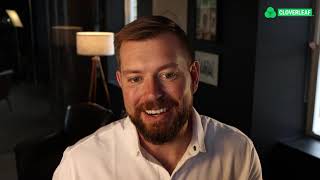


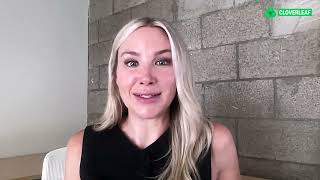

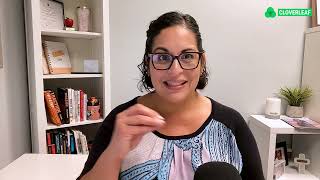

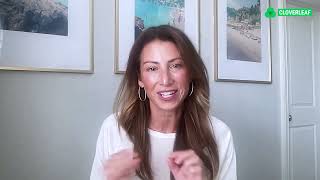

Approach
Production Workflow
Pre-Production
Recording Setup
Managed online production using Riverside.fm to ensure high-quality footage from remote interviews. Prepared alongside the interviewer (my boss) who had questions ready for customers — leaders got leader-specific questions, team members got team-dynamic questions.
Editing
Story Extraction
Premiere Pro or After Effects depending on footage quality. Applied non-shake filters for poor cameras, voice enhancers for sound quality, color grading, and video polishing. The core skill: finding the stories within 20-40 minutes of conversation — the moments people can process and recognize easily.
Delivery
Review & Distribution
Recording updates within Notion for my boss to review. Final cuts distributed across YouTube (long-form), YouTube Shorts, Instagram Reels, and TikTok. Visual subtitles and clip candidates came from Opal, which scored the best AI-picked moments from transcripts before hand-off to edit.
Key Details
Deep Dives
Testimonial Storytelling Technique
The editing approach: hook the viewer with a strong moment from the testimonial about how Cloverleaf “wowed” the interviewee. Then build the context — what features they used, the team dynamic, just enough story to keep you engaged.
The technical cuts: removing thinking pauses, “ums,” rambling, and dead air while retaining the authentic emotional arc. The goal was telling the story of how Cloverleaf's product was beneficial to their company's teams — not just that someone liked it, but how it changed their work.
Animated Logo Outro
Cloverleaf's team lacked motion designers, so their video library had no consistent ending treatment. Using their brand kit assets, I separated elements in Adobe Illustrator and animated them in After Effects following their brand guidelines.
This was a system-level solution, not a one-off asset — the outro was shared across the company's asset library for anyone making Cloverleaf videos on other teams. It brought consistency to what had been an ad hoc video closing approach.
Note: Cloverleaf has since rebranded, so the specific outro assets are no longer in active use, but the template approach influenced their new brand system.
Short-Form Content Strategy
Shorts were produced to accommodate three platforms simultaneously: YouTube Shorts, Instagram Reels, and TikTok. Format decisions focused on visual subtitles (critical for silent scrolling), strong hooks from the first 2 seconds, and AI-assisted clip selection from full transcripts.
Cloverleaf's short-form content tool was called Opal. We used it to upload full interviews, score segments by transcript quality, and surface the strongest clips as starting points for editing — cutting down the time spent scrubbing through 40 minutes of footage for usable moments.
Outcome
Results & Reflection
The animated outro was adopted company-wide and shared across teams as a brand asset. The CEO and my direct boss were positive about the video quality — “they came out awesome.”
The testimonial playlist grew to approximately 19 videos during the internship, each telling a distinct customer story. The podcast clips and short-form content expanded Cloverleaf's reach across YouTube, Instagram, and TikTok simultaneously.
Honest Reflection
The work was well-received, but I was frustrated with managing motion assets on the timeline I had — it felt too copy-paste at times, not enough opportunity to repair or refine. The volume of content (19+ videos) meant prioritizing output over craft on some pieces.
The strongest contribution was the outro as a system-level asset and the story extraction technique for testimonials. The weakest area was the short-form content, which leaned heavily on Opal and similar tooling rather than editorial judgment — something I'd approach differently with more time.
Stack